
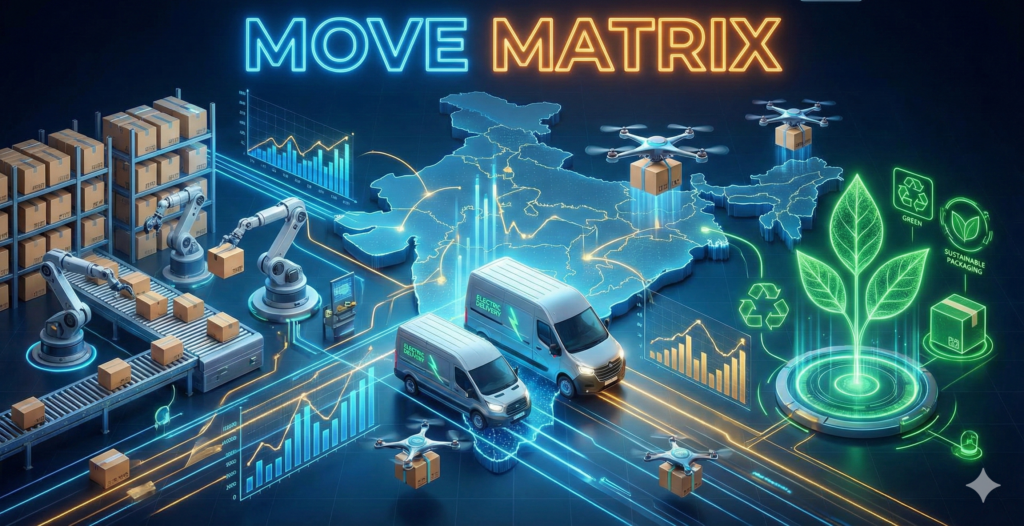
Top 10 Logistics Trends in India for 2025–26
Increased Automation and Robotics in Warehousing
The logistics landscape in India is experiencing a significant transformation, particularly in the warehousing sector, where automation and robotics are reshaping operational efficiencies. The integration of autonomous vehicles, robotic process automation, and AI-driven inventory management is streamlining traditional practices, allowing for faster and more efficient workflows. This shift not only enhances productivity but also reduces operational costs and human error.
Currently, statistics indicate that the adoption rate of automation in Indian warehouses has seen a steady rise, with nearly 30% of logistics companies implementing some form of automation in their operations. Projections suggest that by 2025, this number could reach up to 60%, reinforcing the critical role of technology in modern warehousing. Major players such as Amazon and Flipkart have spearheaded this movement, utilizing advanced robotics for picking and sorting, significantly speeding up their fulfillment processes.
Case studies illustrate the diverse applications of automation within logistics. For instance, a prominent logistics firm witnessed a 40% increase in order fulfillment speed after deploying automated guided vehicles (AGVs) in their warehouses. Additionally, another company implemented robotic arms for sorting and packaging, reducing labor costs by approximately 25% while simultaneously improving inventory accuracy. The advancements in AI-driven inventory management systems are also noteworthy, as they forecast demand more accurately, leading to optimized stock levels and reduced holding costs.
The trend towards increased automation and robotics is not just a passing phase; it is essential for companies seeking to remain competitive in an evolving market. As businesses continue to adopt these technologies, the logistics sector in India is poised to experience unprecedented growth, efficiency, and innovation.
The Rise of E-commerce and Last-Mile Delivery Innovations
The rapid growth of the e-commerce sector in India has significantly transformed the logistics landscape, especially concerning last-mile delivery. This segment is pivotal as it determines the cumulative experience of customers who expect swift and efficient service. With millions of online transactions occurring daily, the logistics industry faces mounting pressure to innovate and optimize delivery methods. Customers now demand not only speed but also convenience, transparency, and reliability in their orders, compelling logistics service providers to adapt their strategies accordingly.
One noteworthy trend is the integration of advanced technologies such as drones and electric vehicles in last-mile delivery operations. Drones, for example, have the potential to bypass traffic congestions and deliver packages directly to consumers’ doorsteps, drastically reducing delivery times. While regulatory challenges remain, the future of drone deliveries looks promising, with ongoing tests showcasing their practicality for meeting e-commerce demands. Similarly, electric vehicles are gaining traction due to their sustainability, offering a viable solution to reduce the carbon footprint associated with logistics activities.
Innovative solutions like smart lockers are also entering the market, maximizing convenience for customers. These lockers allow customers to retrieve packages at their convenience, overcoming issues related to missed deliveries. As urban areas become increasingly crowded, such solutions not only ease the last-mile delivery process but also improve operational efficiencies for logistics companies.
In response to these evolving consumer expectations, logistics firms are revising their operational models and embracing technology. Enhanced route optimization algorithms, mobile apps for real-time tracking, and AI-driven forecasts are becoming integral aspects of logistics strategies. Ultimately, the fusion of e-commerce growth and technological advancements in last-mile delivery is setting a new benchmark for the logistics industry in India, paving the way for further innovations in the coming years.
Green Logistics and Sustainability Initiatives
The logistics industry in India is increasingly recognizing the significance of sustainability, leading to the emergence of green logistics practices. Companies are progressively adopting eco-friendly approaches throughout their supply chain operations to minimize their environmental impact. Eco-friendly packaging, for instance, is becoming a pivotal element in promoting sustainability. Businesses are transitioning from traditional packaging materials to biodegradable and recyclable options, thereby significantly reducing waste in landfills. This shift not only addresses environmental concerns but also aligns with growing consumer demand for sustainable practices.
In addition to packaging innovations, logistics firms are implementing strategies aimed at reducing their carbon footprint. This includes optimizing transportation routes, utilizing fuel-efficient vehicles, and integrating technology to monitor and manage energy consumption effectively. Moreover, companies are increasingly investing in alternative energy sources, such as electric and hybrid fleets, to further decrease greenhouse gas emissions. These initiatives not only contribute to environmental sustainability but also enhance operational efficiency and cost-effectiveness.
The role of government policies in promoting sustainable logistics practices cannot be understated. Recent initiatives from the Indian government aim to incentivize businesses that adopt green logistics solutions. Regulatory frameworks are being established to encourage compliance with environmental standards, fostering a culture of sustainability within the logistics sector. These government measures are being complemented by a growing societal demand for accountability and transparency regarding corporate environmental practices.
Several companies in India are leading the charge in green logistics and sustainability initiatives. Organizations such as Mahindra Logistics and Blue Dart exemplify successful implementations of environmentally friendly strategies. Their commitment to sustainable logistics has set a benchmark for industry practices, demonstrating that sustainability can coexist with profitability. As we move toward 2025–2026, the continued emphasis on sustainable solutions and regulatory compliance will be integral in shaping the future of logistics in India.
Leveraging Big Data and Analytics for Operational Efficiency
The logistics industry in India is witnessing a significant transformation as firms increasingly embrace big data and analytics to enhance operational efficiency. The volume of data generated across the supply chain has skyrocketed, encompassing various aspects such as inventory levels, delivery schedules, customer preferences, and transportation routes. By harnessing this wealth of information, logistics companies can optimize processes, streamline operations, and improve decision-making.
Analytics tools play a pivotal role in this data-driven approach. Advanced technologies such as predictive analytics, machine learning, and real-time data processing are being leveraged to analyze historical data and forecast future trends. For instance, predictive modeling can help logistics providers anticipate demand fluctuations, enabling them to adjust inventory levels accordingly. Furthermore, route optimization algorithms can enhance delivery efficiency by identifying the most cost-effective and time-efficient routes, thereby minimizing fuel consumption and improving service levels.
The insights derived from data analysis are crucial for enhancing supply chain visibility. Logistics firms can track shipments in real time, monitor performance metrics, and identify potential bottlenecks in the supply chain. This level of visibility not only improves customer satisfaction by providing accurate delivery estimates but also allows companies to implement proactive measures to mitigate risks, such as disruptions in the supply chain due to unforeseen circumstances.
Examples of successful data-driven strategies abound in the Indian logistics landscape. Companies implementing warehouse management systems (WMS) are utilizing big data to manage inventory with precision. Moreover, organizations leveraging Internet of Things (IoT) devices gain real-time insights into vehicle conditions, enhancing predictive maintenance strategies. As logistics firms continue to innovate through the integration of big data analytics, the sector’s operational efficiency is likely to experience significant advancements, paving the way for a more agile and responsive supply chain.